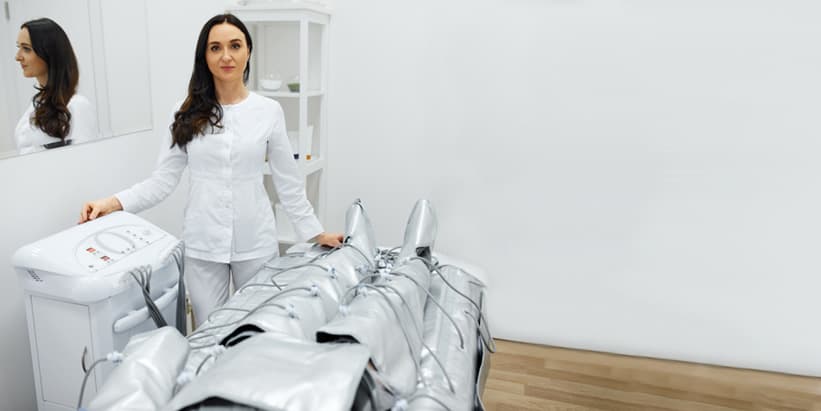
Tag: pressotherapy machine

  • What is Pressotherapy® used for?

    What is Pressotherapy® used for?


    Pressotherapy®, also known as lymphatic drainage therapy or pneumatic compression therapy, is used for a variety of purposes, primarily related to improving circulation, reducing fluid retention, and addressing certain medical and aesthetic conditions. Here are some common uses of pressotherapy:

    1. Lymphedema Management: Pressotherapy is often used as part of the treatment plan for individuals with lymphedema. Lymphedema is a condition characterized by the accumulation of lymphatic fluid in the limbs or other parts of the body due to a compromised lymphatic system. Pressotherapy helps to stimulate lymphatic flow and reduce swelling in affected areas.
    2. Venous Insufficiency: It can be used to manage chronic venous insufficiency, a condition in which the veins in the legs do not efficiently return blood to the heart. Pressotherapy helps improve circulation and reduce symptoms like leg swelling, pain, and discomfort.
    3. Edema Reduction: Pressotherapy is effective in reducing edema (fluid retention) in various parts of the body. It is commonly used after surgery, injury, or during pregnancy to alleviate swelling and discomfort.
    4. Cellulite Reduction: In the aesthetic and cosmetic field, pressotherapy is often used as part of cellulite reduction treatments. While it may not eliminate cellulite entirely, it can improve the appearance of the skin by promoting lymphatic drainage and reducing the retention of fluids.
    5. Body Contouring: Some individuals use pressotherapy as a complementary treatment for body contouring and shaping. It can be combined with other non-invasive procedures to enhance overall results.
    6. Relaxation and Stress Relief: Many people find pressotherapy sessions to be relaxing and soothing. The rhythmic compression and decompression of the chambers can have a calming effect, making it a popular choice for relaxation and stress relief.
    7. Improved Circulation: Pressotherapy can enhance blood circulation, which may benefit individuals with circulation issues or those who have been immobile for extended periods.
    8. Post-Surgical Recovery: After certain surgical procedures, such as liposuction or plastic surgery, pressotherapy may be used to aid in the recovery process by reducing swelling and promoting circulation.
    9. Athletic Recovery: Some athletes use pressotherapy as part of their recovery routine to reduce muscle soreness and improve circulation after intense workouts or competitions.

    It’s important to note that while pressotherapy can offer various benefits, it may not be suitable for everyone. Individuals with certain medical conditions or contraindications should consult with a healthcare provider before undergoing pressotherapy. Additionally, the specific protocol and treatment plan may vary depending on the individual’s needs and the purpose of the therapy. Always seek guidance from a qualified practitioner or healthcare professional to determine if pressotherapy is appropriate for your particular situation.

    [button text=”PRESSOTHEAPY PRODUCT” style=”outline” radius=”99″ link=”https://www.beautytsl.com/product-category/pressotherapy-machines/” target=”_blank”] [title style=”center” text=”Related pRODUCT”] [ux_products columns=”5″ cat=”75″ products=”15″ orderby=”rand”]
  • What You Need to Know About Pressotherapy® Machine

    What You Need to Know About Pressotherapy® Machine


    Pressotherapy®, also known as lymphatic drainage therapy or pneumatic compression therapy, is a non-invasive medical treatment that uses air pressure to stimulate the lymphatic system and improve circulation. It is often used in medical and aesthetic settings for various purposes, including treating certain medical conditions and promoting relaxation and cosmetic benefits. Here’s what you need to know about pressotherapy:

    1. How Pressotherapy Works:
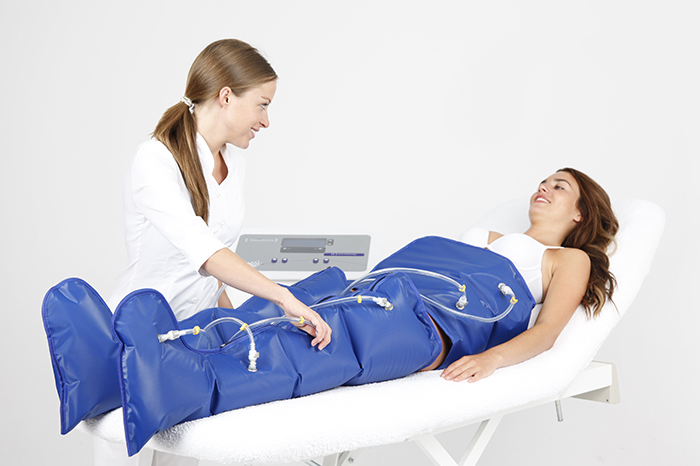
      • Pressotherapy involves the use of special garments, such as boots or sleeves, that are equipped with inflatable chambers.
      • These chambers are inflated sequentially, starting from the distal (farthest from the body) end and moving towards the proximal (closest to the body) end.
      • The sequential inflation and deflation of the chambers create a wave-like motion that helps move lymphatic fluid and blood through the circulatory and lymphatic systems.
      • This process mimics the natural rhythm of muscle contractions and promotes the drainage of excess fluid, toxins, and waste products from the body.
    2. Medical Applications:
      • Pressotherapy is commonly used in the treatment of lymphedema, a condition characterized by the accumulation of lymphatic fluid, often due to the removal of lymph nodes during cancer surgery.
      • It is also used to manage venous insufficiency, deep vein thrombosis (DVT), and other circulatory disorders.
      • Some medical professionals recommend pressotherapy as part of the treatment plan for certain edema-related conditions.
    3. Aesthetic and Wellness Applications:
      • Pressotherapy is popular in the wellness and beauty industry for its potential cosmetic benefits.
      • It is often used as a complementary treatment for body contouring, cellulite reduction, and skin toning.
      • Some people find it relaxing and use it as a form of stress relief.
    4. Benefits:
      • Improved lymphatic drainage: Pressotherapy can help reduce swelling and fluid retention, making it useful for post-surgery recovery and managing conditions like lymphedema.
      • Enhanced circulation: By stimulating blood flow, pressotherapy may promote better oxygenation of tissues and removal of metabolic waste products.
      • Relaxation: Many individuals find pressotherapy sessions to be relaxing and soothing.
      • Potential aesthetic benefits: Some users report a reduction in the appearance of cellulite and improved skin tone after regular sessions.
    5. Procedure:
      • During a pressotherapy session, the patient typically wears the inflatable garment on the targeted area, such as the legs, arms, or abdomen.
      • The device is programmed to deliver a series of pressure cycles, and the intensity and duration can be adjusted based on the patient’s needs and the purpose of the treatment.
      • Sessions usually last between 30 minutes to an hour, and multiple sessions may be recommended for optimal results.
    6. Safety Considerations:
      • Pressotherapy is generally considered safe when administered by trained professionals.
      • However, it may not be suitable for individuals with certain medical conditions, such as acute infections, congestive heart failure, or certain skin conditions.
      • It’s important to consult with a healthcare provider before undergoing pressotherapy, especially if you have any underlying health concerns.
    7. Results and Maintenance:
      • The results of pressotherapy can vary from person to person. Some individuals may experience immediate relief from swelling, while others may require multiple sessions to see noticeable changes.
      • To maintain the benefits, follow-up sessions may be recommended, and maintaining a healthy lifestyle can contribute to long-term results.

    In summary, pressotherapy is a non-invasive treatment that uses air pressure to stimulate the lymphatic system and improve circulation. It has applications in both medical and aesthetic settings, offering benefits such as improved lymphatic drainage, enhanced circulation, and potential cosmetic improvements. However, it’s essential to consult with a healthcare provider or a licensed professional to determine if pressotherapy is suitable for your specific needs and health status.

    [button text=”Click me!” style=”outline” radius=”99″ link=”beautytsl.com/product-category/pressotherapy-machines/” target=”_blank”] [ux_products columns=”5″ cat=”75″ products=”15″ orderby=”rand”]
  • what is pressotherapy® machine and how to use pressotherapy

    what is pressotherapy® machine and how to use pressotherapy

    Pressotherapy® is a therapeutic treatment that uses a pressotherapy machine to apply gentle, controlled pressure to various parts of the body. The machine consists of inflatable chambers or cuffs that are wrapped around the limbs or specific body areas. These cuffs are then filled with air in a sequential manner, creating a wave-like compression that helps to improve circulation and lymphatic drainage.

    The main goals of pressotherapy® are:

    1. Improving Circulation: The intermittent pressure applied by the machine helps to stimulate blood flow, which can benefit the cardiovascular system and promote overall circulation.
    2. Lymphatic Drainage: Pressotherapy can aid in the movement of lymphatic fluid, reducing edema (swelling) and helping the body to eliminate toxins and waste products more effectively.
    3. Cellulite Reduction: Some claim that pressotherapy can assist in reducing the appearance of cellulite by improving blood flow and lymphatic drainage, which may contribute to smoother skin.

    Here’s a general guide on how to use a pressotherapy machine:

    1. Preparation: Before using the pressotherapy machine, make sure the cuffs are clean and undamaged. Ensure that the machine is plugged into a power source and is functioning correctly.
    2. Patient Setup: Have the person undergoing the treatment lie down comfortably on a treatment bed or surface. Depending on the machine and the area of focus, the person may need to remove some clothing to allow access to the targeted body part (e.g., arms, legs, abdomen).
    3. Cuff Placement: Place the inflatable cuffs around the desired body part(s) to be treated. The cuffs should fit snugly but not too tight to avoid discomfort or circulatory issues.
    4. Program Selection: Most pressotherapy machines come with preset programs tailored to different treatment goals. Select the appropriate program based on the patient’s needs (e.g., circulation improvement, lymphatic drainage, cellulite reduction).
    5. Treatment Session: Start the pressotherapy machine to begin the treatment session. The machine will automatically inflate and deflate the cuffs in a sequential manner, applying gentle pressure and releasing it in waves to mimic the natural movement of bodily fluids.
    6. Duration: The duration of each session can vary depending on the machine and the treatment plan. Typical pressotherapy sessions last anywhere from 20 to 60 minutes.
    7. Post-Treatment: After the session is complete, turn off the machine and carefully remove the cuffs. Encourage the patient to drink plenty of water to support the body’s detoxification process.

    It’s essential to note that pressotherapy should be used with caution and under the guidance of a trained professional. People with certain medical conditions, such as deep vein thrombosis, cardiovascular problems, or skin infections, should avoid pressotherapy or consult their healthcare provider before undergoing treatment.