Blog

  • Low-Intensity vs. High-Intensity PMFT: Key Differences, Benefits & Practical Uses

    Low-Intensity vs. High-Intensity PMFT: Key Differences, Benefits & Practical Uses

    SEO-focused, unique structure, no duplicate content, natural keywords: PMFT, low-intensity PMFT, high-intensity PMFT, pulsed magnetic field therapy, magnetic therapy for pain, muscle recovery
     
    Many people searching for non-invasive pain relief and tissue repair come across Pulsed Magnetic Field Therapy (PMFT) — but few fully understand how intensity changes the way it works. One of the most persistent misunderstandings is that PMFT only refers to low-strength, gentle therapy. In reality, PMFT covers a wide spectrum of intensities, each with unique mechanisms, sensations, and clinical applications.
     
    This article clearly compares low-intensity PMFT and high-intensity PMFT, explains how they affect the body differently, and helps you decide which type fits your wellness or clinical goals.


    What Is PMFT, and Does Intensity Define It?

     
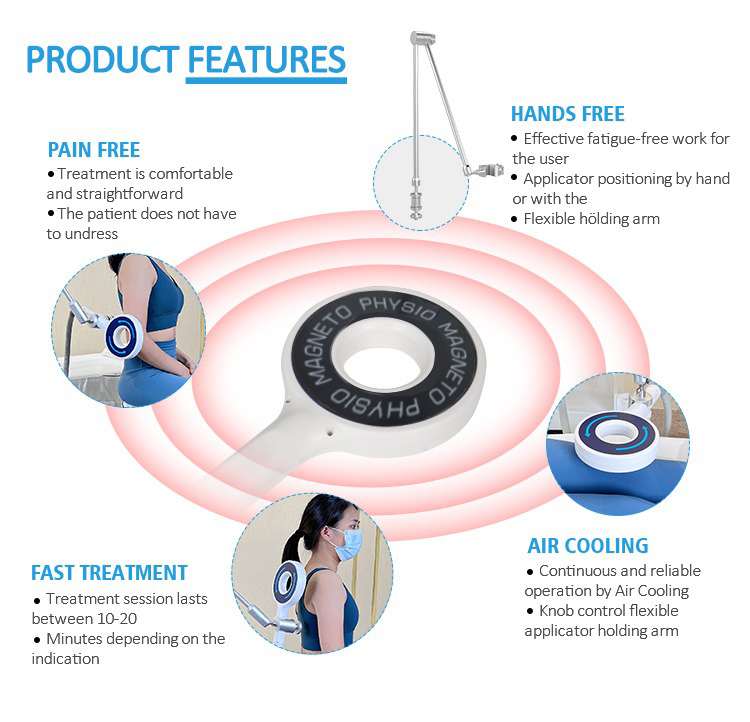
    Pulsed Magnetic Field Therapy (PMFT) uses short, repeated bursts of magnetic energy to support cellular function, improve blood flow, reduce inflammation, and support tissue recovery. Unlike static magnets, PMFT creates dynamic fields that penetrate deep into muscles, joints, and nerves without heat or invasion.
     
    Importantly, no global regulatory or scientific body limits PMFT to low intensity.


    The term PMFT describes the type of energy — pulsed magnetic fields — not how strong that energy is. Both gentle, low-strength applications and powerful, high-strength stimulation are correctly classified as PMFT. This is why you’ll often see terms like high-intensity PMFT in medical research and device labeling.


    Low-Intensity PMFT: Gentle, Daily Support & Long-Term Wellness

     
    Low-intensity PMFT is the most common form used in homes, spas, and general wellness settings. It works at levels mild enough to avoid nerve or muscle activation, focusing instead on slow, consistent cellular improvement.
     

    Typical Intensity

     
    • Ranges from µT up to around 100 mT
    • Designed to support natural biological frequencies without overstimulation
     

    How It Feels

     
    Most users experience mild warmth, slight tingling, or a relaxed sensation.


    No muscle twitching, contractions, or strong physical reaction occurs. Sessions are often longer, between 15 and 30 minutes, for cumulative benefits.


    How It Works

     
    Low-intensity PMFT supports:
     
    • Improved microcirculation
    • Reduced chronic inflammation
    • Balanced cellular energy production
    • Calmer nerve response for persistent discomfort
     

    Best For

     
    • Daily wellness and stress reduction
    • Chronic joint pain (back, knee, shoulder)
    • Post-injury soft tissue recovery
    • Sleep support and general circulation
    • Long-term bone and joint maintenance
     

    Common Settings

     
    Home use, wellness centers, massage clinics, and portable recovery devices.


    High-Intensity PMFT: Strong Stimulation, Targeted Relief & Clinical Results

     
    High-intensity PMFT delivers much stronger magnetic pulses, often measured in tesla (T), rather than millitesla. These powerful fields can activate nerves, trigger muscle response, and accelerate healing in deeper tissue layers.
     

    Typical Intensity

     
    • Usually ranges from 0.5 T to over 3 T
    • Creates rapid field changes that stimulate nerves and muscles
     

    How It Feels

     
    Users often feel strong pulsing, deep tapping, or visible muscle twitching and contractions. This is normal and comes from direct neuromuscular stimulation. Sessions are shorter — typically 5 to 15 minutes — to avoid overexposure.
     

    How It Works

     
    In addition to the cellular benefits of low-intensity PMFT, high-intensity treatment:
     
    • Blocks acute pain signals quickly
    • Stimulates bone healing and fracture repair
    • Activates weak or inactive muscles
    • Supports neuromuscular rehabilitation
    • Penetrates deeply into dense tissue
     

    Best For

     
    • Acute pain from injury or overuse
    • Sports recovery and muscle activation
    • Clinical bone healing support
    • Neuromuscular re-education
    • Pelvic health and targeted musculoskeletal care
     

    Common Settings

     
    Physical therapy clinics, rehabilitation centers, sports facilities, and professional medical practices.


    Low-Intensity vs High-Intensity PMFT: Quick Comparison

    Feature Low-Intensity PMFT High-Intensity PMFT
    Strength Range µT to 100 mT 0.5 T to 3+ T
    Physical Sensation Warmth, tingling, relaxation Strong pulsing, muscle twitching
    Session Length 15–30+ minutes 5–15 minutes
    Main Goal Chronic relief, wellness, circulation Acute relief, muscle activation, healing
    Muscle Response No visible movement Visible contractions common
    Ideal Environment Home, spa, daily use Clinic, therapy, professional use


    Is High-Intensity PMFT the Same as PMST?

     
    A common question is whether high-intensity PMFT should be called PMST (Pulsed Magnetic Stimulation Therapy). While PMST often emphasizes neuromuscular activation, it is not a separate category from PMFT — it is simply a high-intensity, stimulation-focused subset.
     
    In research and regulation, high-intensity PMFT remains PMFT. Labeling it this way is accurate, supported by science, and widely accepted in the medical device industry.


    How to Choose Between Low and High-Intensity PMFT

     
    Choose low-intensity PMFT if you want:
     
    • Gentle, daily care
    • Chronic pain management
    • No strong physical sensations
    • Easy home use with no professional guidance needed
     
    Choose high-intensity PMFT if you need:
     
    • Fast-acting acute pain relief
    • Deep muscle or nerve stimulation
    • Clinical-level healing support
    • Targeted recovery for injuries or physical therapy


    Conclusion

     
    PMFT is an adaptable, evidence-backed therapy available in both low-intensity and high-intensity forms. Each serves a distinct purpose: low-intensity for gentle, consistent wellness and chronic support, and high-intensity for powerful, targeted stimulation and acute recovery.
     
    Understanding these differences helps you select the right device, set realistic expectations, and use PMFT safely and effectively — whether for personal use or clinical practice.
     
    If you’re evaluating devices, remember: intensity changes how PMFT works, not whether it is PMFT. Both categories are valid, science-based, and widely used worldwide.
  • What does a shock wave therapy machine do?

    What does a shock wave therapy machine do?

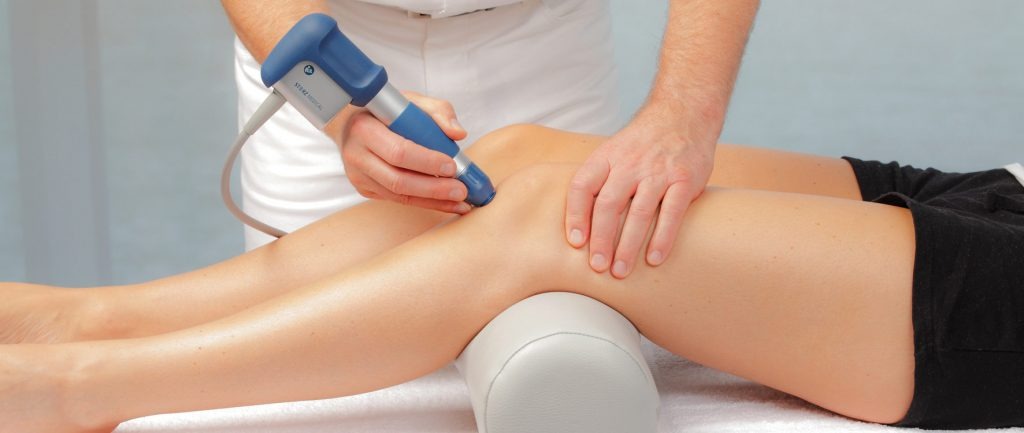
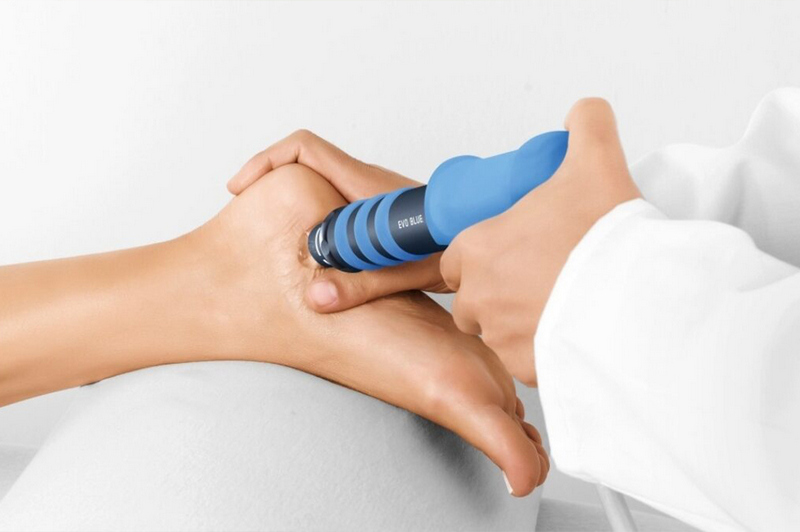
    A shock wave therapy machine is a medical device that generates and delivers shock waves to treat various medical conditions, primarily musculoskeletal and soft tissue disorders. These machines use focused or radial shock waves, which are high-energy acoustic waves, to stimulate tissue repair, reduce pain, and improve healing in specific areas of the body. Here’s how a shock wave therapy machine works and what it does:

    1. Shock Wave Generation: The machine generates shock waves through a mechanical or electromagnetic system. These shock waves are high-energy sound waves that can be focused or delivered radially, depending on the type of machine.
    2. Targeted Application: The healthcare provider or technician positions the shock wave therapy machine over the affected area of the patient’s body. The machine is adjusted to ensure precise targeting of the shock waves to the specific tissue or structure being treated.
    3. Shock Wave Delivery: When activated, the machine delivers shock waves to the targeted tissue. These waves propagate through the body and interact with the affected area. The energy from the shock waves can have several therapeutic effects:
      • Stimulation of Healing: Shock waves stimulate the body’s natural healing processes by increasing blood flow to the area, promoting the release of growth factors, and enhancing tissue regeneration.
      • Pain Reduction: Shock waves can disrupt pain signals in the nervous system, leading to pain relief.
      • Breakdown of Calcifications: In conditions where calcium deposits or calcifications have formed in tendons or other soft tissues, shock waves can break down these deposits, allowing the body to absorb and eliminate them.
      • Reduction of Inflammation: Shock waves may have anti-inflammatory effects, helping to reduce inflammation in the treated area.
    4. Treatment Sessions: Patients typically undergo multiple treatment sessions, with each session lasting a specified duration. The number of sessions and their frequency depend on the patient’s condition and the treatment plan developed by the healthcare provider.
    5. Post-Treatment Care: After each session, patients may be provided with post-treatment care instructions, which may include rest, ice application, and specific exercises to facilitate recovery.

    Shock wave therapy machines are commonly used to treat conditions such as plantar fasciitis, tennis elbow, Achilles tendinopathy, calcific shoulder tendinopathy, and more. The specific protocol and parameters used during treatment can vary based on the condition being treated and the machine being used.

    It’s important to note that shock wave therapy should be administered by trained healthcare professionals who are experienced in using the equipment and assessing patient suitability for the treatment. The effectiveness of shock wave therapy can vary depending on the condition and the patient, and it should be considered as part of an overall treatment plan under the guidance of a healthcare provider.

    [title style=”center” text=”Related product”] [ux_products cat=”91″ products=”12″ orderby=”rand”]
  • Extracorporeal Shock Wave Therapy (ESWT)

    Extracorporeal Shock Wave Therapy (ESWT)

    Extracorporeal Shock Wave Therapy (ESWT) is a medical treatment that uses shock waves, which are high-energy sound waves, to treat various musculoskeletal and soft tissue conditions. It is a non-invasive procedure that has been used to manage pain and promote healing in specific medical conditions. ESWT devices generate shock waves that are directed toward the affected area of the body, where they stimulate tissue repair and regeneration.

    ESWT is commonly used for the following conditions:

    1. Plantar Fasciitis: It can help alleviate heel pain caused by plantar fasciitis, a common condition characterized by inflammation of the tissue connecting the heel bone to the toes.
    2. Tennis Elbow (Lateral Epicondylitis): ESWT can be used to treat the pain and inflammation associated with tennis elbow, a condition that affects the tendons in the forearm.
    3. Calcific Shoulder Tendinopathy: This therapy can break up calcium deposits in the shoulder tendons, reducing pain and improving mobility.
    4. Achilles Tendinopathy: ESWT can help manage pain and promote healing in the Achilles tendon, which connects the calf muscles to the heel bone.
    5. Chronic Pain: It has been explored as a treatment option for chronic pain conditions like myofascial pain syndrome and chronic pelvic pain.

    It’s important to note that ESWT is typically considered after conservative treatments like physical therapy, rest, and medication have failed to provide relief. The procedure is generally safe, but there can be side effects such as temporary pain or discomfort at the treatment site.

    Before undergoing ESWT, it’s essential to consult with a healthcare professional who can assess your condition and determine whether ESWT is a suitable treatment option for you. They can provide guidance on the potential benefits and risks associated with the therapy and help you make an informed decision about your treatment plan.

    Here’s a general overview of how ESWT is typically administered:

    1. Consultation and Evaluation: Before undergoing ESWT, you’ll have an initial consultation with a healthcare provider. During this consultation, your provider will assess your medical history, perform a physical examination, and may conduct diagnostic tests (such as imaging studies) to determine the precise location and severity of your condition. They will also discuss your symptoms, treatment goals, and any previous treatments you’ve tried.
    2. Treatment Planning: If ESWT is deemed appropriate for your condition, your healthcare provider will create a treatment plan tailored to your specific needs. This plan will outline the number of ESWT sessions required and the interval between sessions.
    3. Preparation for Treatment: On the day of the treatment, you will typically be asked to wear suitable clothing that allows access to the affected area. For example, if you’re receiving ESWT for plantar fasciitis, you may need to expose your foot.
    4. Positioning: You will be positioned in a way that allows the healthcare provider to target the shock waves precisely to the affected area. Depending on the condition being treated, you may need to lie down, sit, or assume a specific posture.
    5. Gel Application: A gel or coupling medium is applied to the skin over the treatment area. This gel helps transmit the shock waves effectively and prevents air gaps between the device and the skin.
    6. ESWT Device: The healthcare provider will use an ESWT device that generates shock waves. The device is applied to the skin over the affected area. The shock waves are then delivered to the targeted tissues.
    7. Shock Wave Delivery: The shock waves are typically administered in a series of pulses. You may feel a tapping or snapping sensation during the procedure, but it should not be overly painful. The intensity and duration of the treatment will depend on your specific condition and the ESWT device used.
    8. Post-Treatment Care: After the ESWT session, your healthcare provider may provide instructions for post-treatment care. This may include rest, ice application, or other recommendations to manage any potential discomfort or side effects.
    9. Follow-Up: Depending on your treatment plan, you may require multiple ESWT sessions. Follow your provider’s recommendations regarding the timing and number of sessions.
    10. Monitoring Progress: Your healthcare provider will monitor your progress throughout the course of treatment to assess the effectiveness of ESWT and make any necessary adjustments to your treatment plan.

    It’s crucial to follow your healthcare provider’s instructions carefully and attend all scheduled appointments for ESWT. Additionally, discuss any concerns or questions you have about the procedure with your provider to ensure you have a clear understanding of what to expect and how to care for yourself during and after treatment.

    Is Extracorporeal Shockwave Therapy Safe?

    ESWT is a non-invasive treatment, and therefore, the risk of complications is very low. The most common side effects are pain and hypersensitivity at the treatment site. However, these symptoms are usually self-limited and resolve over time. If ESWT is not successful, then the original pain in the area may persist.

    [title style=”center” text=”Related Product”] [ux_products cat=”91″ products=”12″ orderby=”rand” tags=”503,329″]
  • what is low level laser light therapy and how to work with lllt?

    what is low level laser light therapy and how to work with lllt?

    Low-level light therapy (LLLT), low level laser therapy also known as photobiomodulation or cold laser therapy, is a medical and therapeutic technique that uses low-level lasers or light-emitting diodes (LEDs) to stimulate tissue healing and reduce pain and inflammation. It is a non-invasive and non-thermal therapy, meaning it does not produce significant heat during the treatment.

    Here are some key points about low-level light therapy:

    1. Light Sources: LLLT devices typically use red or near-infrared light with wavelengths ranging from 600 to 1000 nanometers. These specific wavelengths of light penetrate the skin and are absorbed by cells and tissues.
    2. Cellular Effects: LLLT is believed to work at the cellular level. When light is absorbed by cells, it can stimulate various biological processes, including increased energy production (ATP), enhanced circulation, and the release of certain cellular signaling molecules.
    3. Applications: LLLT has been used for a variety of medical and therapeutic purposes, including pain management, wound healing, skin rejuvenation, and treating conditions such as arthritis, musculoskeletal injuries, and certain neurological disorders.
    4. Pain Management: LLLT is often used to reduce pain and inflammation in conditions like chronic pain, sports injuries, and arthritis. It may help by reducing inflammation and promoting the body’s natural healing processes.
    5. Wound Healing: LLLT has shown promise in accelerating the healing of wounds, including diabetic ulcers, surgical incisions, and burns. It can enhance tissue repair and reduce the risk of infection.
    6. Hair Growth and Skin Rejuvenation: Some studies suggest that LLLT can stimulate hair growth in individuals with certain types of hair loss (e.g., androgenetic alopecia) and improve the appearance of the skin by promoting collagen production.
    7. Safety: LLLT is considered safe when administered by trained professionals and used within established parameters. It is non-invasive, painless, and typically has minimal side effects.
    8. Device Types: LLLT devices come in various forms, including handheld devices for home use and larger systems used in clinical settings. The choice of device and treatment parameters depends on the specific condition being treated.

    It’s important to note that while LLLT has shown promise in some applications, the scientific evidence supporting its effectiveness can vary depending on the condition being treated. As with any medical or therapeutic treatment, it’s essential to consult with a healthcare professional before undergoing LLLT to determine its suitability for your specific needs and to ensure proper administration.

    Low level light therapy for PAIN:

    Low-level light therapy (LLLT) has been explored as a non-invasive option for managing various types of pain. It is often used to reduce pain and inflammation in conditions such as chronic pain, musculoskeletal injuries, arthritis, and neuropathic pain. Here’s how LLLT is used for pain management:

    1. Mechanism of Action: LLLT is thought to work by several mechanisms, including:
      • Increased Blood Flow: LLLT can promote vasodilation (widening of blood vessels), which improves blood flow to the treated area. This increased circulation can help reduce inflammation and provide nutrients necessary for tissue repair.
      • Cellular Effects: Light at specific wavelengths is absorbed by mitochondria within cells, leading to an increase in adenosine triphosphate (ATP) production. This boost in cellular energy can enhance the healing process and reduce pain.
      • Anti-Inflammatory Effects: LLLT has been shown to reduce the production of pro-inflammatory cytokines and increase the release of anti-inflammatory mediators, helping to control inflammation.
    2. Treatment Process: LLLT is typically administered using a handheld device or a larger clinical system. The light source emits low-level laser or LED light at specific wavelengths onto the affected area. Treatment sessions are relatively short, usually lasting between a few minutes to half an hour, depending on the condition and the device used.
    3. Pain Conditions Treated: LLLT has been used for various pain-related conditions, including but not limited to:
      • Musculoskeletal Pain: This includes conditions such as tendonitis, sprains, strains, and muscle pain. LLLT can help reduce pain and promote tissue healing in these cases.
      • Arthritis: LLLT may provide relief for people with osteoarthritis or rheumatoid arthritis by reducing joint pain and inflammation.
      • Neuropathic Pain: Some studies have explored the use of LLLT for neuropathic conditions like diabetic neuropathy or peripheral neuropathy, where it may help alleviate pain and improve nerve function.
      • Chronic Pain: LLLT can be a part of a multimodal approach to managing chronic pain conditions, such as fibromyalgia or chronic low back pain.
    4. Safety: LLLT is considered safe when administered by trained professionals and used within established parameters. It is non-invasive and typically does not cause significant side effects. However, it’s essential to follow appropriate safety guidelines and consult with a healthcare provider before undergoing LLLT treatment, especially if you have underlying medical conditions.
    5. Evidence: The effectiveness of LLLT for pain management can vary depending on the specific condition and individual factors. While some studies have shown positive results, more research is needed to establish its efficacy conclusively. It may work better for some individuals than others.

    Low level light therapy for SLIM:

    Low-level light therapy (LLLT) has been explored as a potential treatment for body contouring and slimming. While there is some interest in using LLLT for this purpose, it’s important to note that the effectiveness of LLLT for slimming is a topic of ongoing research:

    1. Mechanism of Action: LLLT for slimming typically involves the use of low-level lasers or LEDs to target fat cells in the body. The idea is that the light energy penetrates the skin and is absorbed by the fat cells, causing them to release their contents, such as triglycerides. This release of fat is thought to result in a reduction in the size of fat cells, leading to a slimmer appearance.
    2. Treatment Process: LLLT for slimming is often delivered through specialized devices that emit low-level light at specific wavelengths. These devices are applied directly to the skin in the area of concern. Treatment sessions are relatively short, and multiple sessions are usually recommended to achieve the desired results.
    3. Safety: LLLT is generally considered safe when administered by trained professionals and used within established parameters. It is non-invasive and typically does not cause pain or significant side effects. However, it’s essential to follow appropriate safety guidelines and consult with a healthcare provider before undergoing LLLT treatment for slimming.
    4. Complementary Approach: LLLT for slimming is often used as a complementary approach to diet and exercise. It is not a substitute for a healthy lifestyle. To achieve and maintain a slim and toned appearance, it is important to combine LLLT, if deemed effective, with a balanced diet and regular physical activity.
    5. Consultation: If you are interested in LLLT for slimming, it is advisable to consult with a qualified healthcare professional or practitioner experienced in the use of LLLT devices. They can assess your individual needs and provide guidance on whether LLLT is an appropriate option for you.

    It’s important to approach claims about LLLT for slimming with caution and to be aware that results can vary widely from person to person. Additionally, the regulatory status of such treatments may vary by country, so it’s essential to seek treatment from reputable providers and ensure that any device used is approved for its intended use.

    [button text=”LLLT PRODUCT” style=”outline” radius=”99″ link=”https://www.beautytsl.com/product-category/physiotherapy-machines/low-level-laser-therapy/” target=”_blank”] [ux_products columns=”5″ cat=”74″ products=”15″ orderby=”rand”]
  • how can hifu machine work?

    how can hifu machine work?

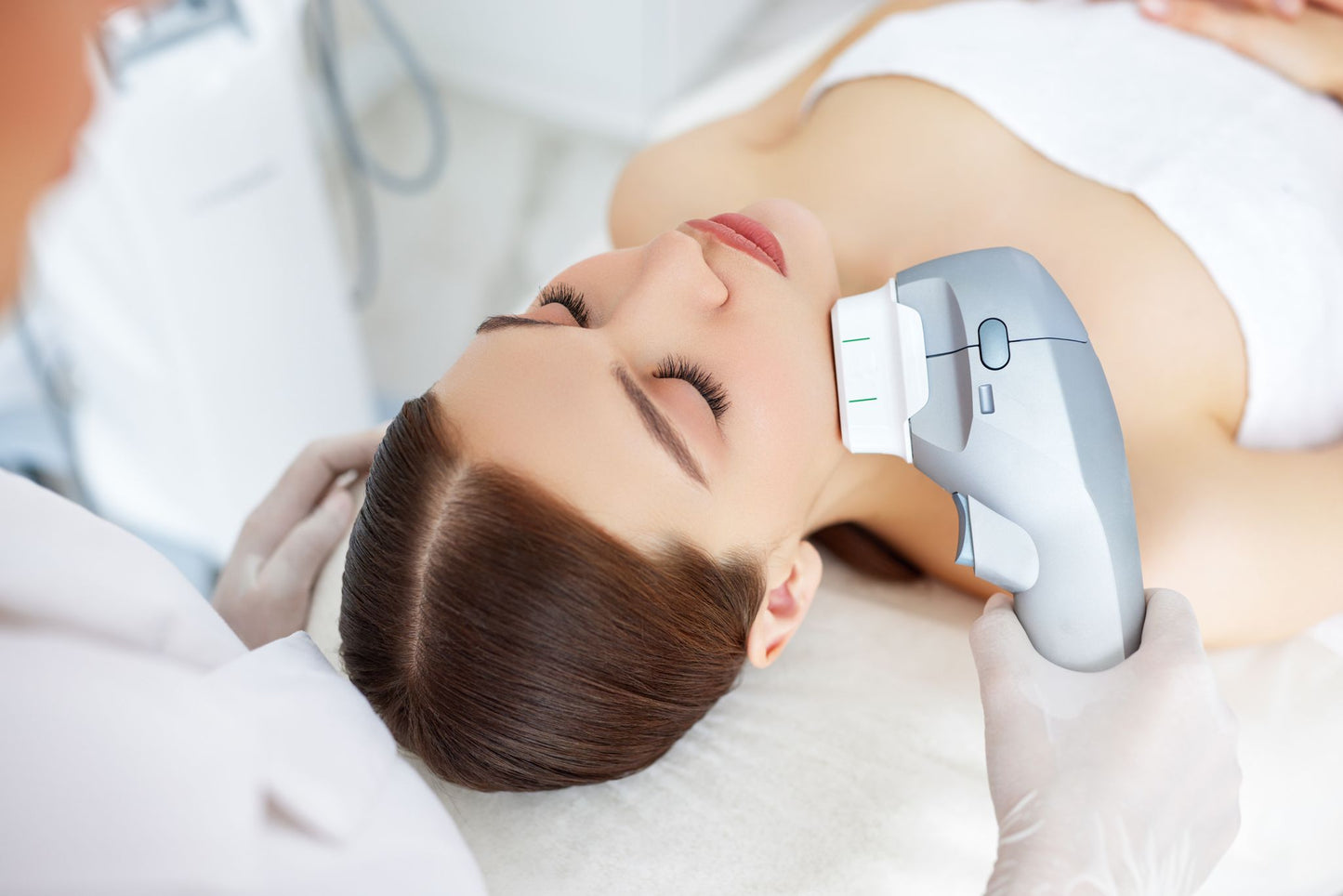
    High-Intensity Focused Ultrasound (HIFU) machines work by delivering focused ultrasound waves to specific depths within the skin and underlying tissues. These focused waves generate heat at the target site, causing thermal coagulation, tissue remodeling, and collagen production. Here’s a step-by-step explanation of how a HIFU machine works:

    1. Targeting Tissue Layers: The HIFU machine is calibrated to target specific tissue layers beneath the skin’s surface. The depth and intensity of the ultrasound energy are carefully controlled by the operator to achieve precise results.
    2. Focused Ultrasound Waves: The machine emits high-intensity ultrasound waves, which are focused at a specific point or multiple points within the target area. These waves are concentrated to create a high level of energy at the focal point.
    3. Heating the Tissue: The focused ultrasound waves generate heat at the targeted depth. This heat causes coagulation of proteins and denaturation of collagen in the treated area.
    4. Tissue Remodeling: The thermal effect of HIFU stimulates the body’s natural wound healing response. This leads to tissue remodeling and the formation of new collagen, which helps to tighten and firm the skin over time.
    5. Immediate and Long-Term Effects: Some patients may experience immediate tightening and lifting effects due to the thermal contraction of collagen fibers. However, the full effects of HIFU may take several weeks to months to become fully apparent as collagen production increases.
    6. Non-Invasive: HIFU is a non-invasive procedure, which means it does not require surgical incisions. It treats the underlying tissues without damaging the skin’s surface, resulting in minimal downtime and a lower risk of infection or scarring.
    7. Customized Treatment: HIFU machines are adjustable, allowing healthcare professionals to customize the treatment to the patient’s specific needs and goals. The depth and intensity of the treatment can be tailored to address different areas of concern.
    8. Safety Measures: During the procedure, providers often use ultrasound imaging or other guidance techniques to visualize the target area and ensure accurate delivery of the ultrasound energy. This helps minimize the risk of damaging nearby structures.
    9. Gradual Improvement: While some patients may see immediate results, the full benefits of HIFU develop gradually. Multiple treatment sessions may be recommended to achieve and maintain the desired results.

    HIFU is commonly used in aesthetic and cosmetic procedures to address concerns such as skin tightening, wrinkle reduction, and non-surgical facelifts. It is essential to have HIFU treatments performed by licensed and trained professionals who understand the technology and can ensure safe and effective results. Patients should also consult with providers to discuss their specific goals and any potential risks or side effects associated with the procedure.

    [button text=”HIFU PRODUCT” style=”outline” radius=”99″ link=”https://www.beautytsl.com/product-category/hifu-machines/” target=”_blank”] [ux_products columns=”5″ cat=”70″ products=”15″]